Avoid Paying Tax Twice – Get DTAA Help
Whether it’s NRO deposits, property sale, rent, or salary income, we help you claim rightful tax benefits under DTAA and file correct returns.

Paying tax twice on the same income?  Don’t worry — DTAA (Double Taxation Avoidance Agreement) helps NRIs and foreign companies avoid double taxation on income earned in India and abroad.
At Taxfend, we simplify DTAA claims, refund process, and compliance — so you save money and stay stress-free.
A Double Tax Avoidance Agreement, or DTAA, is a tax treaty between two countries that helps people and businesses avoid being taxed twice on the same income. If you’re getting income from another country—maybe from a job, investments, or business—you could end up on the hook for taxes in both countries, which isn’t exactly fair. DTAAs sort this out, setting down the rules for how taxes apply so you don’t pay more than you have to.
Here’s how it usually happens:
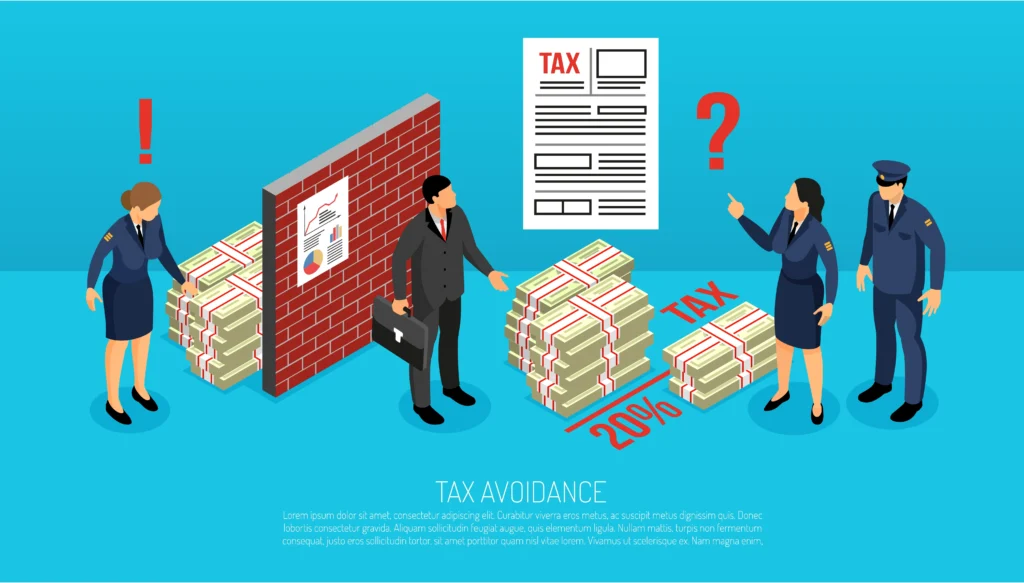
DTAAs are agreements between governments that simplify taxation for individuals and businesses operating across borders. They define:
In short, DTAAs prevent double taxation and bring clarity to cross-border financial matters.
Managing taxes across countries can be complex. Our DTAA services are designed to simplify the process and help you avoid paying tax twice on the same income.
Here’s a quick rundown of what we do:
We simplify international taxation so you can manage your finances efficiently without the risk of double taxation.
Whether you’re an individual or a business, understanding DTAA provisions is key to handling cross-border income effectively.
Understanding Double Taxation Avoidance Agreements (DTAAs) can be complex. At Taxfend, we simplify the process so you don’t end up paying tax twice on the same income.
When you earn income or hold investments across countries, both jurisdictions may try to tax you. DTAAs act as agreements between governments to define who taxes what and how relief is provided. We ensure these rules are applied correctly to your specific situation.
Here’s what we do for you:
Every financial situation is unique. We take a personalized approach to ensure compliance while helping you retain more of your income.
Double taxation occurs when the same income is taxed in two countries. DTAAs help resolve this by defining taxation rights and providing relief mechanisms.
How DTAA helps you:
To claim these benefits, proper documentation is required, including a Tax Residency Certificate (TRC), Form 10F, and PAN details.
We help you identify the applicable DTAA, prepare documentation, and ensure accurate filing—so you avoid unnecessary tax burdens and stay compliant.
A Double Taxation Avoidance Agreement, or DTAA, is a deal between two countries to make sure people and businesses don’t pay tax twice on the same income. It helps by deciding which country gets to tax certain types of income, so you don’t get taxed twice for the same money.
Only people or companies who live in one of the two countries that signed the agreement can use the DTAA. If you are not a resident in either country, you can’t get these benefits.
If you are a Non-Resident Indian (NRI) living in a country with a DTAA with India, you need to submit a Tax Residency Certificate (TRC), Form 10F, and your PAN number. These documents help prove you are eligible for DTAA benefits.
Countries sign DTAAs to encourage trade and investment. When people know they won’t be taxed twice, they are more likely to do business or invest in another country. It also makes things fairer and simpler for everyone.
DTAAs usually cover many types of income, like salary, business profits, interest, dividends, and capital gains. The rules for each type of income are written in the agreement between the two countries.
Yes, some countries, like India, give tax relief even without a DTAA. This is called unilateral relief. You might get credit for taxes paid in another country, but the rules are different and may not be as helpful as a DTAA.
Whether it’s NRO deposits, property sale, rent, or salary income, we help you claim rightful tax benefits under DTAA and file correct returns.
Copyright © 2026 Taxfend. Privacy Policy | Terms & Conditions